Protect yourself online with these 3 essential cybersecurity tips. Learn how to stay safe from common digital threats.
3 Essential Cybersecurity Tips for Everyone
Hey there! In today's digital world, it feels like we're constantly connected, right? From checking emails to online shopping, social media, and even managing our finances, so much of our lives happens online. And while this digital convenience is amazing, it also means we're exposed to a whole new set of risks. Think about it: your personal information, your money, your privacy – it's all out there, and unfortunately, there are people who want to get their hands on it. That's why cybersecurity isn't just for tech gurus or big corporations anymore; it's something every single one of us needs to understand and practice. It's like locking your front door – you wouldn't leave it open, would you? The same goes for your digital life.
The good news is, you don't need to be a cybersecurity expert to protect yourself. There are some really straightforward, practical steps you can take right now to significantly boost your online safety. We're going to break down three of the most crucial tips that everyone, regardless of their tech savviness, can implement. We'll talk about why they're important, how to put them into action, and even recommend some specific tools and products that can help you along the way. So, let's dive in and make your digital life a whole lot safer!
Tip 1 Strong Unique Passwords and Two Factor Authentication Your Digital Fortress
Let's start with the absolute basics: your passwords. Think of your passwords as the keys to your digital kingdom. If someone gets hold of them, they can unlock everything – your email, your bank account, your social media, even your online shopping profiles. And yet, so many people still use weak, easy-to-guess passwords or, even worse, the same password for multiple accounts. This is like using the same key for your house, your car, and your office – if one gets stolen, everything is compromised. That's a huge risk!
Why Strong Unique Passwords Matter More Than You Think
First off, what makes a password strong? It's not just about length, though that helps. A strong password is a mix of uppercase and lowercase letters, numbers, and symbols. It should also be long enough – generally, at least 12-16 characters is a good starting point. And here's the kicker: it needs to be unique for every single account. Why? Because of something called 'credential stuffing.' If hackers get a list of usernames and passwords from one data breach (and these happen all the time!), they'll try those same combinations on hundreds of other popular websites. If you've reused your password, they're in.
But how do you remember dozens of long, complex, unique passwords? That's where password managers come in. These are incredibly useful tools that generate super strong passwords for you, store them securely, and even auto-fill them when you log in to websites. You only need to remember one master password to unlock your password manager, and it does all the heavy lifting for the rest. It's a game-changer for cybersecurity.
Recommended Password Managers and Their Features
- LastPass: This is a very popular choice, offering a free tier that's great for individuals. It works across all your devices, has a user-friendly interface, and includes features like secure notes and form filling. The premium version adds things like family sharing and advanced multi-factor options.
- 1Password: Known for its robust security and sleek design, 1Password is a favorite among many. It's a paid service but offers excellent features like Watchtower (which alerts you to compromised passwords), travel mode, and strong integration with various browsers and operating systems.
- Bitwarden: If you're looking for an open-source and highly secure option, Bitwarden is fantastic. It has a very generous free tier and paid plans that are more affordable than some competitors. It's highly customizable and great for those who value transparency and control over their data.
- Dashlane: Dashlane stands out with its built-in VPN (Virtual Private Network) in its premium plans, offering an extra layer of privacy. It also has a strong focus on identity protection and dark web monitoring.
Comparison and Pricing (Approximate, as of late 2023/early 2024):
| Product | Free Tier | Key Features (Paid) | Approx. Annual Cost (Individual) | Best For |
|---|---|---|---|---|
| LastPass | Yes (1 device type) | Unlimited device types, family sharing, advanced MFA | $36 - $48 | Beginners, those needing a free cross-device option |
| 1Password | No (free trial) | Watchtower, travel mode, robust security, family plans | $36 - $60 | Users prioritizing top-tier security and features |
| Bitwarden | Yes (full features) | Advanced 2FA, emergency access, self-hosting | $10 - $40 | Privacy-conscious users, open-source enthusiasts, budget-friendly |
| Dashlane | Yes (limited) | VPN, dark web monitoring, identity protection | $60 - $120 | Users wanting integrated VPN and identity protection |
Usage Scenarios: If you're just starting out, LastPass or Bitwarden's free tiers are excellent. If you're serious about security and want all the bells and whistles, 1Password or Dashlane are worth the investment. The key is to pick one and stick with it!
Embracing Two Factor Authentication 2FA for an Extra Layer of Security
Even with the strongest passwords, there's always a tiny chance they could be compromised. That's where Two-Factor Authentication (2FA), sometimes called Multi-Factor Authentication (MFA), comes in. Think of it as a second lock on your digital door. Even if a hacker has your password, they still need this second 'factor' to get in. This second factor is usually something you have (like your phone) or something you are (like a fingerprint).
The most common types of 2FA are:
- SMS Codes: A code sent to your phone via text message. Convenient, but less secure as SMS can be intercepted.
- Authenticator Apps: Apps like Google Authenticator, Microsoft Authenticator, or Authy generate time-sensitive codes. These are generally more secure than SMS.
- Hardware Security Keys: Physical devices (like YubiKey) that you plug into your computer or tap to your phone. These are the most secure option.
Usage Scenarios: Enable 2FA on every single account that offers it – especially your email, banking, and social media. For critical accounts, consider using an authenticator app or a hardware key. For less critical ones, SMS is better than nothing.
Tip 2 Be Wary of Phishing Scams and Suspicious Links Your Digital Spidey Sense
Even the best passwords and 2FA won't protect you if you willingly give away your information. This is where phishing comes in. Phishing is a type of cyberattack where scammers try to trick you into revealing sensitive information (like passwords, credit card numbers, or personal data) by pretending to be a trustworthy entity. They might impersonate your bank, a popular online store, a government agency, or even a friend or colleague. These scams are getting incredibly sophisticated, making them harder to spot.
Recognizing the Red Flags of Phishing Emails and Messages
The key to avoiding phishing is to develop a strong 'digital spidey sense.' Here are some common red flags to look out for:
- Urgent or Threatening Language: Scammers often try to create a sense of urgency or fear to make you act without thinking. Phrases like 'Your account will be suspended,' 'Immediate action required,' or 'Unauthorized activity detected' are common.
- Generic Greetings: If an email from your 'bank' addresses you as 'Dear Customer' instead of your name, that's a red flag.
- Poor Grammar and Spelling: While not always present, many phishing emails contain noticeable grammatical errors or typos.
- Suspicious Links: This is a big one. Hover your mouse over any link (don't click!) to see the actual URL. If it doesn't match the legitimate website you expect, it's likely a scam. For example, a link from 'PayPal' might actually go to 'paypa1.com' (with a '1' instead of an 'l').
- Unexpected Attachments: Be very cautious about opening attachments from unknown senders or unexpected attachments from known senders. They can contain malware.
- Requests for Personal Information: Legitimate organizations will rarely ask for your password, PIN, or full credit card number via email or text.
- Sender's Email Address: Check the sender's email address carefully. It might look legitimate at first glance, but a closer look might reveal a slight misspelling or a strange domain (e.g., '[email protected]' instead of '[email protected]').
Practical Steps to Avoid Falling Victim to Phishing
- Verify the Sender: If you receive a suspicious email or message, don't reply or click any links. Instead, go directly to the official website of the organization (by typing the URL yourself or using a bookmark) and log in there to check for any alerts or messages. Or, call them using a phone number you know is legitimate (from their official website, not the email).
- Think Before You Click: This is the golden rule. Always pause and evaluate before clicking on any link or opening any attachment, especially if it seems too good to be true or too urgent.
- Use Email Filters: Most email providers have spam filters that catch many phishing attempts, but some still slip through.
- Keep Software Updated: Your web browser and operating system often have built-in security features that can warn you about malicious websites. Keep them updated.
- Educate Yourself: Stay informed about the latest phishing tactics. Scammers are always evolving their methods.
Usage Scenarios: This tip applies to every single interaction you have online. Whether it's an email, a text message, a social media direct message, or even a phone call, always be skeptical if something feels off. Your bank will never ask for your password over the phone or email. Your utility company won't threaten immediate disconnection via text message. Learn to recognize these patterns.
Tip 3 Keep Your Software Updated and Use Antivirus Malware Protection Your Digital Shield
Imagine your computer or smartphone as a house. Over time, tiny cracks can appear in the walls or the locks might get a bit rusty. Software updates are like regularly patching those cracks and replacing those rusty locks. They're not just about getting new features; they're absolutely critical for security. And just like you'd have a security system for your house, you need antivirus and anti-malware software for your devices.
The Importance of Regular Software Updates
Software developers are constantly finding and fixing vulnerabilities – these are weaknesses in the code that hackers can exploit to gain access to your device or data. When an update is released, it often includes 'patches' for these security holes. If you don't update, you're leaving those holes wide open for attackers to walk right through. This applies to everything: your operating system (Windows, macOS, Android, iOS), your web browser (Chrome, Firefox, Edge), your apps, and any other software you use.
Usage Scenarios: Enable automatic updates whenever possible. If not, make it a habit to check for and install updates regularly. Don't put it off! A common tactic for hackers is to exploit newly discovered vulnerabilities before people have a chance to update their systems.
Antivirus and Anti-Malware Software Your First Line of Defense
While updates close known vulnerabilities, antivirus and anti-malware software act as a proactive shield, scanning for and removing malicious software (malware) that might try to infect your device. Malware comes in many forms: viruses, worms, Trojans, ransomware, spyware, and more. They can steal your data, encrypt your files and demand a ransom, or turn your computer into a 'bot' to attack other systems.
Do you need antivirus on a Mac or smartphone? Yes! While Macs are generally considered more secure than Windows PCs, they are not immune to malware. And Android phones, in particular, can be susceptible to various threats. iPhones are generally more locked down, but caution is still advised, especially with suspicious apps.
Recommended Antivirus and Anti-Malware Products
For Windows users, Windows Defender (now called Microsoft Defender Antivirus) is built into Windows 10 and 11 and has become quite good. For many users, it's sufficient, especially when combined with good browsing habits. However, if you want extra protection or more features, there are many excellent third-party options.
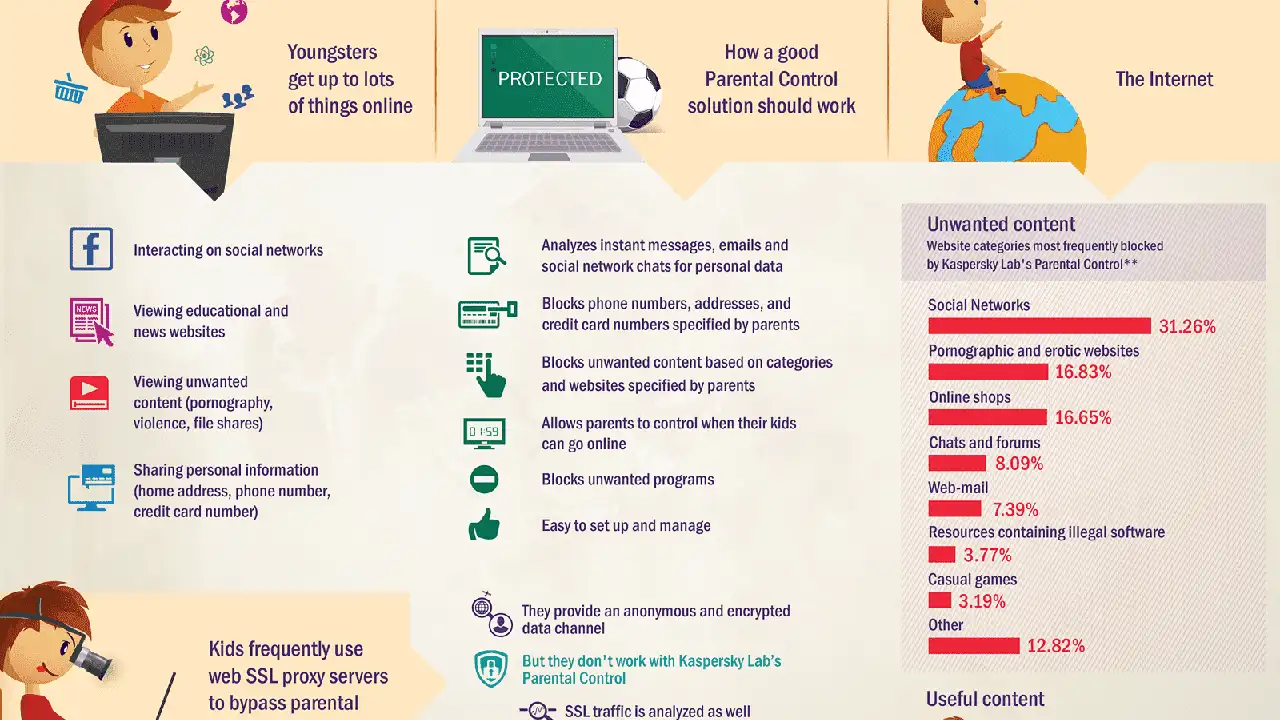
- Bitdefender Total Security: Consistently ranks high in independent tests for its excellent malware detection rates and low impact on system performance. It offers a comprehensive suite of features including VPN, parental controls, and webcam protection.
- Norton 360: A very well-known brand that offers strong protection against various threats. It often includes a VPN, dark web monitoring, and cloud backup.
- Kaspersky Total Security: Another top performer in terms of protection, offering a wide range of features. However, some users might have concerns about its Russian origins, though the company has taken steps to address these.
- Malwarebytes: While not a full antivirus suite, Malwarebytes is excellent at detecting and removing malware that traditional antivirus might miss. It's often used as a second layer of defense alongside a primary antivirus. There's a free scanner and a paid premium version for real-time protection.
Comparison and Pricing (Approximate, Annual Subscription for 1 Device):
| Product | Free Tier | Key Features (Paid) | Approx. Annual Cost (1 Device) | Best For |
|---|---|---|---|---|
| Microsoft Defender | Yes (built-in) | Basic antivirus, firewall | Free | Windows users needing basic, reliable protection |
| Bitdefender Total Security | No (free trial) | Excellent detection, VPN, parental controls, webcam protection | $30 - $60 | Users wanting comprehensive, top-tier protection |
| Norton 360 | No (free trial) | Strong protection, VPN, dark web monitoring, cloud backup | $40 - $80 | Users wanting a well-rounded security suite with extra features |
| Kaspersky Total Security | No (free trial) | High detection rates, privacy tools, safe money features | $30 - $70 | Users prioritizing strong protection (consider origin concerns) |
| Malwarebytes Premium | Yes (scanner only) | Real-time anti-malware, anti-ransomware, web protection | $30 - $45 | Users needing a strong anti-malware layer, often alongside an AV |
Usage Scenarios: For most Windows users, ensuring Microsoft Defender is active and regularly updated is a good start. If you want more robust protection, especially if you're prone to clicking suspicious links or downloading files, investing in a paid suite like Bitdefender or Norton is a smart move. For Mac users, while built-in protections are good, adding a dedicated anti-malware tool like Malwarebytes can provide extra peace of mind. For Android, look for reputable mobile security apps from brands like Bitdefender or Norton.
Bringing It All Together Your Ongoing Digital Safety Journey
So, there you have it: three fundamental cybersecurity tips that can make a massive difference in your online safety. It's not about being paranoid; it's about being prepared and proactive. Think of these tips as habits you build, just like brushing your teeth or locking your car. Once you get into the rhythm, they become second nature.
Remember, cybersecurity is an ongoing journey, not a one-time fix. The digital landscape is always changing, and new threats emerge constantly. By consistently practicing these three tips – using strong, unique passwords with 2FA, being vigilant against phishing, and keeping your software updated with good antivirus protection – you'll be well on your way to a much safer and more secure online experience. Stay safe out there!
:max_bytes(150000):strip_icc()/277019-baked-pork-chops-with-cream-of-mushroom-soup-DDMFS-beauty-4x3-BG-7505-5762b731cf30447d9cbbbbbf387beafa.jpg)