5 Best Smart Home Devices for Beginners
Welcome to the exciting world of smart homes! If you've been curious about making your living space a little more intelligent but felt overwhelmed by all the tech jargon and endless options, you're in the right place. We're here to break down the best smart home devices that are perfect for beginners – those of us who aren't tech wizards but still want to enjoy the convenience and efficiency that smart technology offers. Think of it as upgrading your home without needing an engineering degree. We'll focus on devices that are easy to install, simple to use, and genuinely add value to your daily life. No complicated wiring, no confusing apps, just straightforward smart solutions.
Smart Lighting Solutions Easy Home Automation
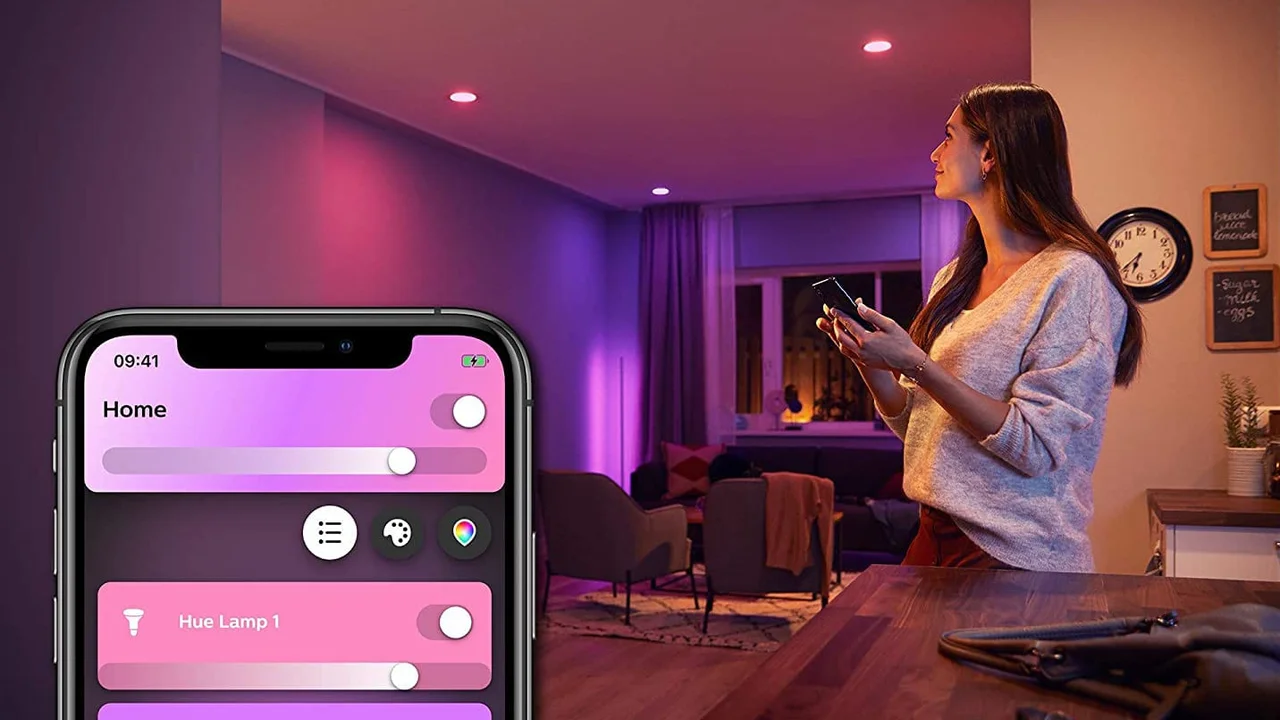
Let's start with something everyone can appreciate: lighting. Smart lighting isn't just about turning lights on and off with your voice; it's about setting the mood, saving energy, and even enhancing your home's security. For beginners, smart light bulbs are a fantastic entry point because they're as simple to install as screwing in a regular light bulb. The magic happens when you connect them to an app on your smartphone or a smart home hub.
Why Smart Lighting is Great for Newbies
- Simple Installation: Just replace your existing bulbs.
- Instant Control: Turn lights on/off, dim, or change colors from your phone or voice.
- Energy Savings: Schedule lights to turn off when you leave or dim them to conserve power.
- Ambiance: Create different moods with various colors and brightness levels.
- Security: Make it look like you're home when you're not by scheduling lights to turn on and off.
Recommended Smart Light Bulbs for Beginners
Philips Hue White and Color Ambiance A19 Starter Kit
Description: Philips Hue is often considered the gold standard in smart lighting, and for good reason. Their starter kits are designed with beginners in mind, providing everything you need to get going. The White and Color Ambiance bulbs offer a full spectrum of colors and shades of white, allowing you to customize your lighting for any occasion. The kit usually includes a Hue Bridge, which acts as the central hub for your lights, ensuring reliable performance and allowing for more advanced features and integrations with other smart home platforms. While the Bridge adds an extra step, it makes the system incredibly robust and expandable.
Use Case: Imagine hosting a dinner party and changing your dining room lights to a warm, inviting glow with a tap on your phone. Or waking up to a gentle, gradually brightening light that mimics the sunrise. When you leave for vacation, you can schedule your lights to turn on and off at random times, making your home appear occupied and deterring potential intruders.
Price Range: $$$ (Typically around $150-$200 for a starter kit with a Bridge and 2-4 bulbs, individual bulbs around $40-$50)
Wyze Bulb Color
Description: Wyze is known for offering feature-rich smart home devices at incredibly affordable prices. The Wyze Bulb Color is no exception. These bulbs connect directly to your Wi-Fi, meaning you don't need a separate hub, which simplifies the setup process significantly for beginners. They offer millions of colors and tunable white light, along with scheduling, grouping, and vacation mode features. The Wyze app is intuitive and easy to navigate.
Use Case: Perfect for a bedroom or living room where you want to add a splash of color or adjust brightness without a complex setup. You can set a cool blue light for reading or a warm yellow for relaxing. If you're on a budget but still want full-color smart lighting, Wyze is an excellent choice.
Price Range: $ (Around $15-$20 per bulb)
C by GE Smart LED Bulbs
Description: GE's C by GE (now Cync) smart bulbs also offer hub-free connectivity, often using Bluetooth for initial setup and then Wi-Fi for broader control. They come in various forms, including full-color and tunable white options. The Cync app is user-friendly, and these bulbs can integrate with Google Assistant and Amazon Alexa for voice control. They are a reliable mid-range option that balances features and ease of use.
Use Case: Great for upgrading specific lamps or fixtures in your home without committing to a full-blown smart lighting ecosystem. If you already use Google Assistant or Alexa, these bulbs will seamlessly integrate into your existing setup, allowing for voice commands like, 'Hey Google, dim the living room lights to 50%.'
Price Range: $$ (Around $20-$30 per bulb)
Smart Plugs Simple Appliance Control
If smart light bulbs are your first step, smart plugs are your second. These tiny devices are incredibly versatile and can turn almost any 'dumb' appliance into a smart one. Just plug your lamp, coffee maker, fan, or even your holiday lights into a smart plug, and suddenly you can control it from your phone or with your voice. It's a brilliant way to dip your toes into home automation without replacing all your existing electronics.
Benefits of Smart Plugs for Non-Tech Users
- Transform Existing Devices: Make old appliances smart.
- Easy Setup: Plug in, connect to Wi-Fi, and you're done.
- Remote Control: Turn devices on/off from anywhere.
- Scheduling: Automate daily routines (e.g., coffee ready when you wake up).
- Energy Monitoring: Some models track energy usage, helping you save money.
Top Smart Plugs for Beginners
TP-Link Kasa Smart Plug Mini (KP105/KP115)
Description: Kasa smart plugs are consistently highly rated for their reliability, ease of use, and compact design. The 'Mini' version is particularly good because it doesn't block adjacent outlets, which is a common frustration with bulkier smart plugs. They connect directly to your Wi-Fi (no hub required) and integrate seamlessly with Amazon Alexa and Google Assistant. The Kasa app is straightforward, allowing for easy scheduling, timers, and remote control. The KP115 model also includes energy monitoring, a great feature for tracking power consumption.
Use Case: Plug in your bedside lamp and turn it off from bed without getting up. Schedule your slow cooker to start cooking dinner while you're at work. Turn on your fan before you get home on a hot day. The energy monitoring feature on the KP115 can help you identify 'vampire' devices that draw power even when off.
Price Range: $ (Around $15-$25 for a single plug, often cheaper in multi-packs)
Amazon Smart Plug
Description: If you're already an Amazon Alexa user, the Amazon Smart Plug is a no-brainer. It's designed for incredibly simple setup – just plug it in, open the Alexa app, and it often discovers itself automatically. It's compact and reliable, offering basic on/off control and scheduling through the Alexa app. While it lacks energy monitoring, its seamless integration with the Alexa ecosystem makes it a top choice for those committed to Amazon's voice assistant.
Use Case: Perfect for controlling devices with your voice via an Echo speaker. 'Alexa, turn on the Christmas tree lights.' Or setting up routines like 'Alexa, good morning' to turn on your bedroom lamp and coffee maker simultaneously. Its simplicity is its biggest strength for beginners.
Price Range: $ (Around $25, often on sale)
Wyze Plug Outdoor
Description: While most smart plugs are for indoor use, the Wyze Plug Outdoor is a fantastic option for extending smart control to your patio, garden, or holiday decorations. It features two individually controllable outlets and is weather-resistant, making it durable for outdoor conditions. Like other Wyze products, it connects directly to Wi-Fi and offers scheduling, remote control, and voice assistant integration through the Wyze app.
Use Case: Control your outdoor string lights, fountain pump, or bug zapper with ease. Schedule your holiday lights to turn on at dusk and off at midnight without ever stepping outside in the cold. Its dual outlets mean you can control two separate devices from one plug.
Price Range: $$ (Around $30-$35)
Smart Speakers Voice Control for Your Home
Smart speakers are often the gateway drug to a fully connected smart home. These devices, powered by virtual assistants like Amazon Alexa or Google Assistant, allow you to control your smart devices, play music, get news updates, set timers, and ask questions – all with just your voice. They act as the central brain for many smart home setups, making interaction incredibly intuitive for beginners.
Why Smart Speakers are Essential for Beginners
- Voice Control: The easiest way to interact with your smart home.
- Information Hub: Get answers, news, weather, and more instantly.
- Music Playback: Stream your favorite tunes with simple voice commands.
- Smart Home Hub: Many act as a hub for other smart devices.
- Routines: Automate multiple actions with a single command.
Recommended Smart Speakers for New Users
Amazon Echo Dot (5th Gen)
Description: The Echo Dot is Amazon's most popular smart speaker, and the 5th generation offers improved audio quality in a compact, spherical design. It's powered by Alexa, Amazon's virtual assistant, which is incredibly capable and integrates with a vast ecosystem of smart home devices. Setup is simple through the Alexa app, and it's an excellent entry point for voice control. The Dot can also act as a basic Zigbee hub for some smart devices, further simplifying your setup.
Use Case: Place it in your kitchen to set cooking timers, play music while you cook, or add items to your shopping list. In the bedroom, use it as a smart alarm clock or to control your smart lights without reaching for your phone. Its small size means it can fit almost anywhere.
Price Range: $ (Around $50, often on sale for less)
Google Nest Mini (2nd Gen)
Description: The Google Nest Mini is Google's answer to the Echo Dot, offering Google Assistant in a similar compact form factor. It boasts surprisingly good sound for its size and excels at answering complex questions, providing personalized information (like your commute time), and integrating with Google's services (Calendar, Gmail, etc.). Setup is straightforward via the Google Home app, and it's a natural choice for Android users or those already invested in the Google ecosystem.
Use Case: Ask Google Assistant for directions, translate phrases, or get real-time sports scores. Control your smart lights and plugs with commands like 'Hey Google, turn on the living room lamp.' It's particularly strong if you use Google Calendar or Google Photos, as it can integrate with these services.
Price Range: $ (Around $50, often on sale for less)
Apple HomePod Mini
Description: For Apple enthusiasts, the HomePod Mini is the ideal smart speaker. It offers excellent sound quality for its size, deep integration with the Apple ecosystem (Apple Music, HomeKit, Siri), and robust privacy features. While Siri might not be as universally capable as Alexa or Google Assistant for general knowledge, it excels at controlling HomeKit-compatible devices and managing your Apple services. It also acts as a HomeKit hub, allowing for remote access and automation of your HomeKit accessories.
Use Case: If you have an iPhone, iPad, or Mac, the HomePod Mini provides a seamless experience. Use it to play Apple Music, send messages, make calls, and control your HomeKit smart devices with 'Hey Siri' commands. Its Intercom feature is also great for communicating with family members in different rooms.
Price Range: $$ (Around $99)
Smart Thermostats Intelligent Climate Control
A smart thermostat might seem like a more advanced smart home device, but modern versions are incredibly user-friendly and offer significant benefits, especially in terms of energy savings. They learn your preferences, adjust to your schedule, and can be controlled remotely, ensuring your home is always comfortable without wasting energy.
Benefits of Smart Thermostats for Beginners
- Energy Savings: Learn your habits and optimize heating/cooling.
- Remote Control: Adjust temperature from anywhere via your phone.
- Scheduling: Set custom schedules for different times of day/week.
- Voice Control: Integrate with smart speakers for hands-free adjustments.
- Usage Reports: See how much energy you're using and identify savings opportunities.
Recommended Smart Thermostats for New Users
Google Nest Thermostat
Description: The Google Nest Thermostat is a more affordable and simplified version of the classic Nest Learning Thermostat, making it perfect for beginners. It focuses on essential smart features like remote control, scheduling, and energy-saving 'Eco' modes. It uses your phone's location to know when you're away, automatically adjusting the temperature to save energy. It's easy to install for most DIYers and integrates seamlessly with Google Assistant and Alexa.
Use Case: You're leaving work early and want your home to be cool when you arrive – just open the Google Home app and adjust the temperature. Or, if you forget to turn down the heat before leaving for vacation, you can do it from anywhere. The 'Savings Finder' feature in the app helps you find ways to save even more energy.
Price Range: $$ (Around $130-$150)
Ecobee Lite Smart Thermostat
Description: Ecobee is another major player in the smart thermostat market, and the Ecobee Lite is their entry-level model designed for simplicity and value. While it doesn't come with a remote sensor out of the box (which the full Ecobee SmartThermostat does), it still offers excellent smart features like remote control, scheduling, and integration with all major voice assistants (Alexa, Google Assistant, Siri/HomeKit). Its user interface is intuitive, both on the device and in the app.
Use Case: If you want robust smart thermostat features without the higher price tag of premium models, the Ecobee Lite is a great choice. It's particularly good if you're looking for HomeKit compatibility. You can set up detailed schedules for different days of the week and easily override them from your phone if your plans change.
Price Range: $$ (Around $150-$170)
Honeywell Home T9 Smart Thermostat
Description: Honeywell Home (now Resideo) has a long history in thermostats, and their T9 Smart Thermostat brings modern smart features to a familiar brand. It's known for its easy installation and clear, intuitive touchscreen display. A key feature is its ability to connect with wireless smart room sensors (one is often included), allowing it to detect occupancy and temperature in different rooms and prioritize comfort where you are. It works with Alexa and Google Assistant.
Use Case: If you have a room that's always too hot or too cold, the T9's room sensors can help balance the temperature across your home. For example, if you spend most of your evenings in the living room, the thermostat can prioritize heating or cooling that specific area. Its clear display makes on-device adjustments simple for everyone in the household.
Price Range: $$$ (Around $180-$200, often includes one sensor)
Video Doorbells Enhanced Home Security
For many, a smart home isn't just about convenience; it's also about security and peace of mind. Smart video doorbells are an excellent way to achieve this, allowing you to see and speak to visitors from anywhere, even when you're not home. They're surprisingly easy to install and provide a significant upgrade to traditional doorbells.
Benefits of Video Doorbells for Non-Tech Users
- See Who's There: View visitors on your phone, even if you're away.
- Two-Way Talk: Speak to delivery drivers or guests remotely.
- Motion Detection: Get alerts when someone approaches your door.
- Package Monitoring: Keep an eye on deliveries.
- Deterrence: Visible cameras can deter potential intruders.
Recommended Video Doorbells for Beginners
Ring Video Doorbell (2nd Gen)
Description: Ring is practically synonymous with video doorbells, and their standard Ring Video Doorbell (2nd Gen) is a fantastic starting point. It's battery-powered, meaning you don't need existing doorbell wiring, making installation incredibly simple. It offers 1080p HD video, two-way talk, and motion detection. The Ring app is user-friendly, and it integrates seamlessly with Amazon Alexa devices. While a Ring Protect subscription is needed for video recording and storage, the basic features are free.
Use Case: You're at work and get a notification that a package has arrived. You can see the delivery person, speak to them through the doorbell, and ensure your package is left in a safe spot. Or, if someone suspicious is lingering, you can activate the two-way talk feature to let them know they're being watched.
Price Range: $$ (Around $100, often on sale)
Google Nest Doorbell (Battery)
Description: The Google Nest Doorbell (Battery) is Google's answer to Ring's battery-powered convenience. It offers 1080p HD video, a taller aspect ratio to see packages on the ground, and intelligent alerts that can differentiate between people, animals, and vehicles (with a Nest Aware subscription). It's easy to install and integrates perfectly with the Google Home app and Google Assistant. It also offers three hours of event video history without a subscription.
Use Case: Get a notification on your phone when a friend arrives, even if you're in the backyard. If you miss a visitor, you can review the free event history to see who was there. Its integration with Google Assistant means you can ask your Nest Hub to show you who's at the door.
Price Range: $$$ (Around $180)
Arlo Essential Video Doorbell Wire-Free
Description: Arlo is well-regarded for its security cameras, and their Essential Video Doorbell brings that expertise to your front door. It's completely wire-free, offering flexible placement and easy installation. It features 1080p HD video, a wide 180-degree viewing angle, two-way audio, and direct-to-mobile video calls when someone presses the doorbell. It works with Alexa, Google Assistant, and HomeKit (via an Arlo SmartHub).
Use Case: If you have a wide porch or want to see more of your entryway, the 180-degree view is a significant advantage. The direct video call feature means your phone rings like a regular call when someone presses the doorbell, making it very intuitive. It's a great choice if you're considering expanding into Arlo's broader security camera ecosystem.
Price Range: $$$ (Around $200)
There you have it! Five categories of smart home devices that are perfect for anyone looking to dip their toes into home automation without feeling overwhelmed. Remember, the key is to start small, choose devices that solve a real problem or add genuine convenience to your life, and don't be afraid to experiment. The beauty of modern smart home tech is its user-friendliness. You don't need to be a tech guru to enjoy a smarter, more connected home. Just pick one or two devices from this list that appeal to you, and start your smart home journey today. You'll be surprised how quickly these small changes can make a big difference in your daily routine and overall comfort.
:max_bytes(150000):strip_icc()/277019-baked-pork-chops-with-cream-of-mushroom-soup-DDMFS-beauty-4x3-BG-7505-5762b731cf30447d9cbbbbbf387beafa.jpg)